Source Eco Friendly Plastic Cosmetic Jar for Creams, Lotions, and Powders
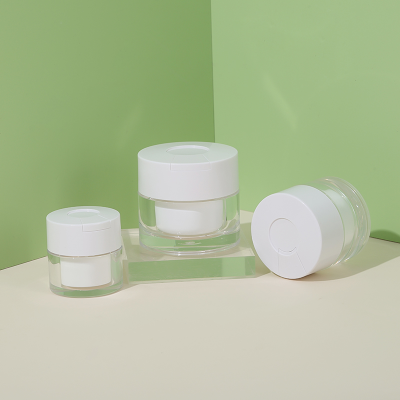
Find and compare 30 eco friendly plastic cosmetic jar options from verified Chinese manufacturers. Evaluate specifications like 5ml to 50ml capacities, screw cap sealing, and CIQ/ISO certifications to select suitable packaging for cosmetics, teas, and chemical applications.
Key considerations
Products List




Comprehensive Sourcing Guide
Eco Friendly Plastic Cosmetic Jar Sourcing Guide
Sourcing eco-friendly plastic cosmetic jars requires a disciplined approach that balances sustainability claims with functional performance and regulatory compliance. Buyers must navigate a market where "eco-friendly" is often used as a marketing term rather than a verified technical specification. The core challenge lies in distinguishing between genuinely sustainable materials, such as recycled polypropylene (PP) or bio-based plastics, and standard virgin plastics that may carry superficial green certifications. Procurement teams need to establish clear definitions of what constitutes eco-friendly within their specific brand guidelines before engaging with suppliers, ensuring that the material composition aligns with both environmental goals and product safety standards.
This guide provides a structured framework for evaluating suppliers and products based on observed market signals and technical realities. It focuses on verifying material integrity, understanding commercial terms, and ensuring that the final packaging solution meets the rigorous demands of cosmetic and chemical applications. By adhering to evidence-based verification steps, buyers can mitigate the risk of greenwashing and secure a supply chain that supports both brand reputation and operational efficiency. The following sections detail the critical areas of focus, from technical specifications to long-term supplier qualification, to help buyers make informed decisions in this complex category.
Product Scope and Observed Listing Signals
The current market for plastic cosmetic jars exhibits a wide range of product variations, with observed listings indicating a high degree of customization availability. Suppliers frequently offer models such as the OPPP1202, OPP, and various cosmetic jar designs in capacities ranging from 3g to 50ml. These products are often marketed for use in aerosol, chemical, food, and tea applications, suggesting a versatility that extends beyond traditional cosmetics. Buyers should note that while the material is predominantly plastic, specific models may be designated as PP cosmetic cream jars, which offer distinct chemical resistance and durability properties compared to other plastic types.
Observed listing signals reveal significant variability in minimum order quantities (MOQs), ranging from 10 to 30,000 pieces, which impacts supply chain flexibility. Lead times also vary, with some suppliers offering 10-20 days and others requiring 20-25 days, reflecting differences in production capacity and inventory management. Daily production capacities are reported up to 50,000 pieces, indicating that larger suppliers can handle substantial volume demands. However, buyers must verify these figures directly with suppliers, as listed values may not reflect current stock levels or machine availability. The presence of free samples is a common offering, allowing buyers to assess physical quality before committing to large orders.
Technical Specifications to Verify
Verifying technical specifications is critical to ensuring that the cosmetic jars meet the functional requirements of the product they will contain. Key attributes to confirm include the sealing type, with screw caps being a common standard for maintaining product integrity and preventing leakage. Dimensions are also crucial, as jars must fit within existing filling lines and consumer packaging designs. For instance, specific models may have dimensions such as 29mm x 17mm for 3g jars or 41mm x 17.5mm for 5ml sizes. Buyers should request detailed dimensional drawings and tolerance specifications to ensure compatibility with their manufacturing processes.
Material composition and environmental claims require careful scrutiny to avoid misalignment with brand values. While many products are labeled as eco-friendly, buyers should verify the specific type of plastic used, such as polypropylene (PP), and inquire about the percentage of recycled content if applicable. Packaging methods also vary, with options including export cartons, cardboard boxes, and layer-packed cartons. The choice of packaging can impact protection during transit and storage efficiency. Additionally, the origin of the product, often listed as China, Yuyao, or Ningbo, may influence logistics costs and lead times, so buyers should factor these geographical details into their overall procurement strategy.
Compliance and Safety Documentation
Compliance with international standards is non-negotiable for cosmetic packaging, particularly when products come into direct contact with skin or ingestible substances. Buyers must ensure that suppliers provide valid certification documents, such as ISO, CE, and CIQ, which indicate adherence to quality management and safety standards. Some listings also mention SGS and UL certifications, which may be relevant for specific market requirements or internal company policies. It is essential to verify the validity and scope of these certifications, as they may not cover all aspects of the product or manufacturing process.
Food and cosmetic safety regulations vary by region, so buyers must align supplier documentation with the regulatory requirements of their target markets. For example, if the jars are intended for food or tea applications, additional compliance with food-grade standards may be necessary. Buyers should request material safety data sheets (MSDS) and migration test results to ensure that the plastic does not leach harmful substances into the product. Furthermore, eco-friendly claims should be supported by verifiable data, such as recyclability certificates or life cycle assessments, to substantiate sustainability assertions and avoid regulatory scrutiny.
Cost Drivers and Commercial Terms
Understanding the cost drivers in the plastic cosmetic jar market is essential for accurate budgeting and negotiation. Key factors influencing price include the material type, customization requirements, and order volume. Customized designs, such as specific colors or logos, may incur additional setup costs and higher per-unit prices. The MOQ is a significant determinant of cost efficiency, with larger orders typically benefiting from economies of scale. Buyers should analyze the total cost of ownership, including shipping, tariffs, and potential waste, rather than focusing solely on the unit price.
Commercial terms, including lead times and payment conditions, also play a crucial role in the procurement process. Lead times of 10-25 days require careful planning to avoid stockouts or excess inventory. Buyers should negotiate clear terms for sample provision, production delays, and quality disputes. The availability of free samples is a positive indicator of supplier confidence, but buyers should clarify any associated shipping or handling fees. Additionally, understanding the supplier's daily capacity can help in assessing their ability to meet urgent demands or scale production during peak seasons.
Supplier Qualification and Quality Control
Supplier qualification is a multi-step process that goes beyond reviewing product catalogs and certifications. Buyers should conduct thorough due diligence on potential suppliers, including site visits or virtual audits to assess manufacturing capabilities and quality control systems. Verifying the supplier's history, financial stability, and reputation in the market can provide insights into their reliability and long-term viability. It is also important to evaluate their responsiveness and communication skills, as these factors can impact the smooth execution of orders and problem resolution.
Quality control measures must be clearly defined and agreed upon before production begins. Buyers should establish specific quality standards, including acceptable defect rates, packaging integrity, and dimensional tolerances. Implementing pre-shipment inspections or third-party quality assurance services can help ensure that the delivered products meet the agreed-upon specifications. Additionally, buyers should request information on the supplier's internal quality control processes, such as raw material testing and in-process inspections, to gain confidence in their ability to maintain consistent quality over time.
Long-Term Procurement Checks
Long-term procurement success depends on continuous monitoring and evaluation of supplier performance. Buyers should establish key performance indicators (KPIs) to track metrics such as on-time delivery, product quality, and responsiveness to issues. Regular reviews of these metrics can help identify areas for improvement and facilitate constructive feedback with suppliers. Building a collaborative relationship with suppliers can lead to better pricing, priority treatment during peak seasons, and joint innovation in product design and sustainability.
Sustainability goals should be integrated into long-term procurement strategies, with regular assessments of supplier environmental practices. Buyers should encourage suppliers to adopt more sustainable materials and processes, such as increasing the use of recycled content or reducing carbon emissions. This may involve setting specific targets and working with suppliers to develop action plans. Additionally, buyers should stay informed about evolving regulations and market trends related to eco-friendly packaging to ensure that their procurement practices remain compliant and competitive. By maintaining a proactive approach to supplier management, buyers can secure a resilient and sustainable supply chain for their cosmetic jars.
FAQs
What certifications are available for eco friendly plastic cosmetic jars?
These jars typically carry CIQ, ISO, CE, and SGS certifications to ensure compliance with international standards. Some listings also mention UL certification for specific safety requirements. Buyers should verify which specific certificates apply to their target market and product type before placing orders.
Can I get free samples of eco friendly plastic cosmetic jars?
Yes, free samples are often available for these products. This allows buyers to evaluate the material quality, sealing type, and overall design before committing to a bulk purchase. It is advisable to confirm sample availability and shipping costs with the supplier directly.
What is the typical lead time for manufacturing these jars?
The lead time generally ranges from 10 to 25 days depending on the order size and customization requirements. Standard models may be produced faster, while customized designs might take longer. Buyers should plan their inventory accordingly to avoid stockouts during peak seasons.
What is the minimum order quantity for these plastic jars?
The minimum order quantity varies, with some suppliers requiring as few as 10,000 pieces and others setting the bar at 30,000 pieces. This range allows flexibility for both small startups and large manufacturers. Always check the specific MOQ with the chosen supplier.
What materials are used to make these eco friendly cosmetic jars?
These jars are primarily made from plastic, specifically PP (polypropylene) for cosmetic cream jars. The material is chosen for its durability, chemical resistance, and eco-friendly properties. They are suitable for packaging various products including cosmetics, chemicals, and aerosols.
What packaging options are available for bulk orders of these jars?
Common packaging includes export cartons, cardboard boxes, and layer-packed cartons for safe transport. Some suppliers offer safe export packing to prevent damage during shipping. Proper packaging ensures the jars arrive in perfect condition, ready for filling and labeling.